
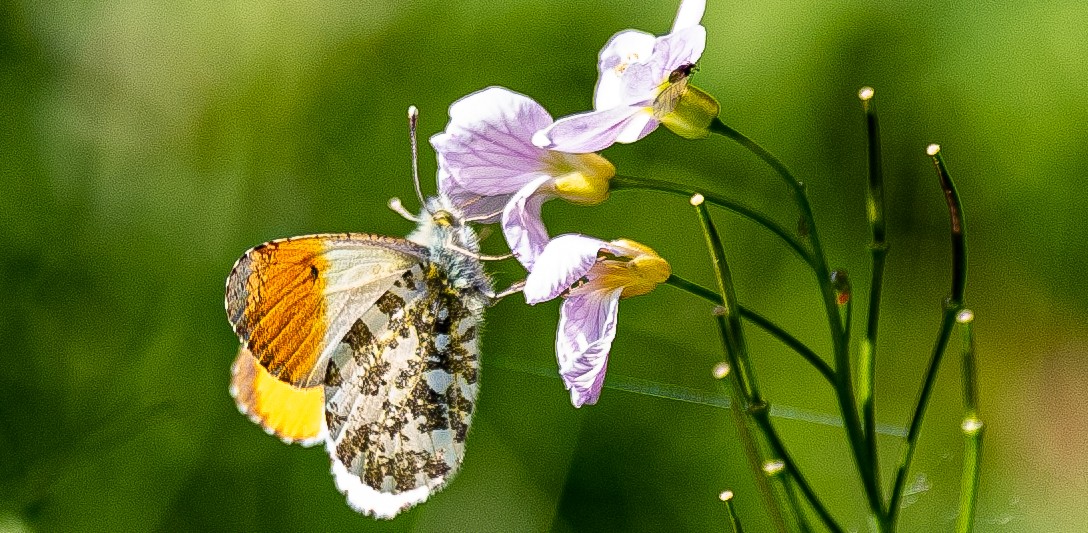
From May to September Canterbury BID installs 400 colourful hanging flower baskets across the city. The baskets are positioned in as many places as possible, however because this is a medieval city, not all shop frontages are suitable. It is also important that we cover as much of the city as possible, so we try to spread the colour as far and wide as possible. If you are a BID business and would like to enquire about a basket for future years please email [email protected].
The new Pollinator Flower Basket Scheme has been designed to brighten the city while supporting local pollinators and biodiversity. Installed across two routes on either side of the city, the scheme features 20 specially planted hanging baskets filled with pollinator-friendly flowers chosen to attract bees, butterflies, hoverflies and other beneficial insects.
Pollinators are essential to healthy ecosystems. They help flowering plants reproduce, support food production, and contribute to greener, healthier urban spaces. By introducing these vibrant flower baskets into Canterbury’s streetscape, the scheme will create small but valuable “stepping stones” for wildlife moving through the city, helping pollinators find food sources and habitats in urban areas where they can often be limited.
As well as enhancing biodiversity, the baskets will bring colour and seasonal interest to Canterbury’s streets, helping create a more welcoming and environmentally conscious city centre for residents, businesses and visitors alike. Supporting pollinators is an important part of creating resilient, sustainable communities, and even small planting initiatives can make a meaningful difference.
The Flowers Supporting Pollinators
Each basket contains a carefully selected mix of flowering plants chosen for both their visual impact and their value to pollinating insects.
Calibrachoa
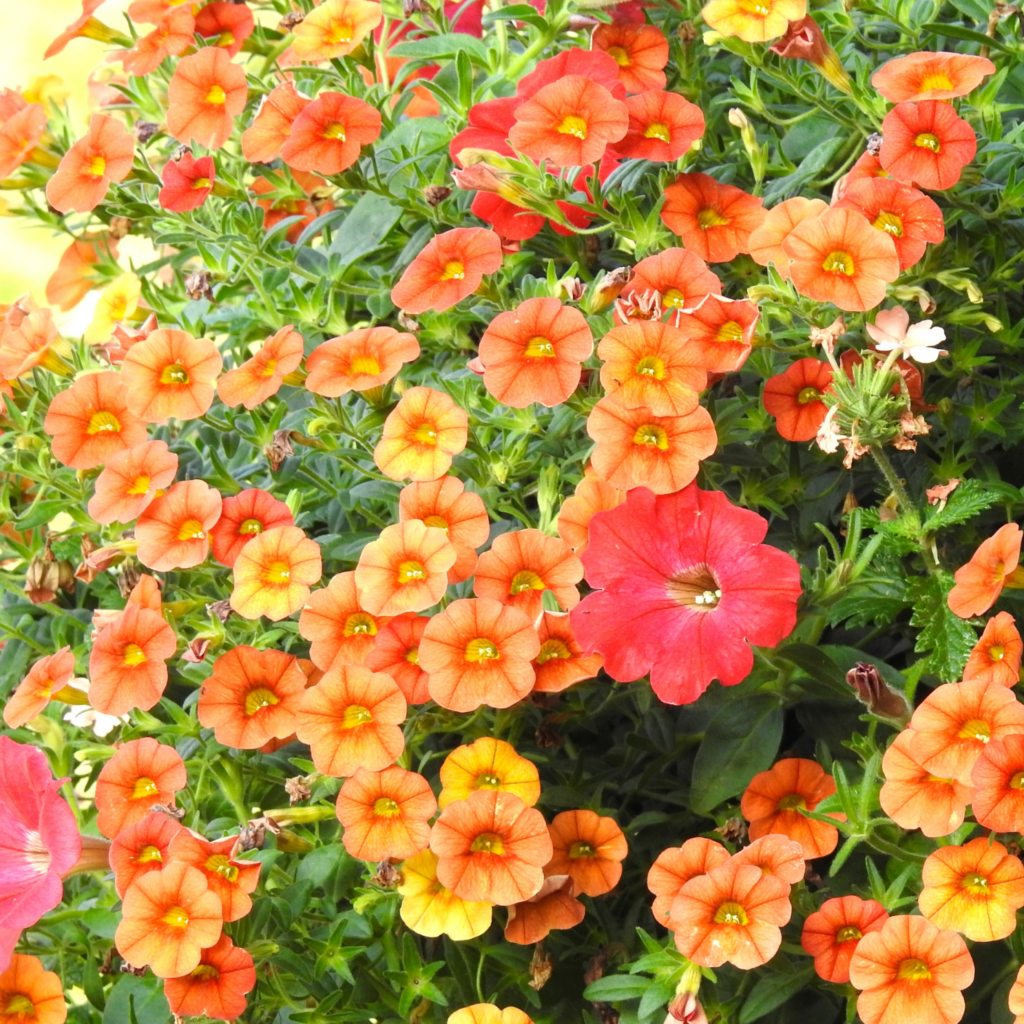
Often known as “Million Bells,” Calibrachoa produces masses of small trumpet-shaped flowers in a wide variety of colours. Their long flowering season provides a reliable nectar source throughout spring and summer, attracting bees and hoverflies. Their trailing habit also creates full, colourful baskets that are highly visible to pollinators.
Bidens
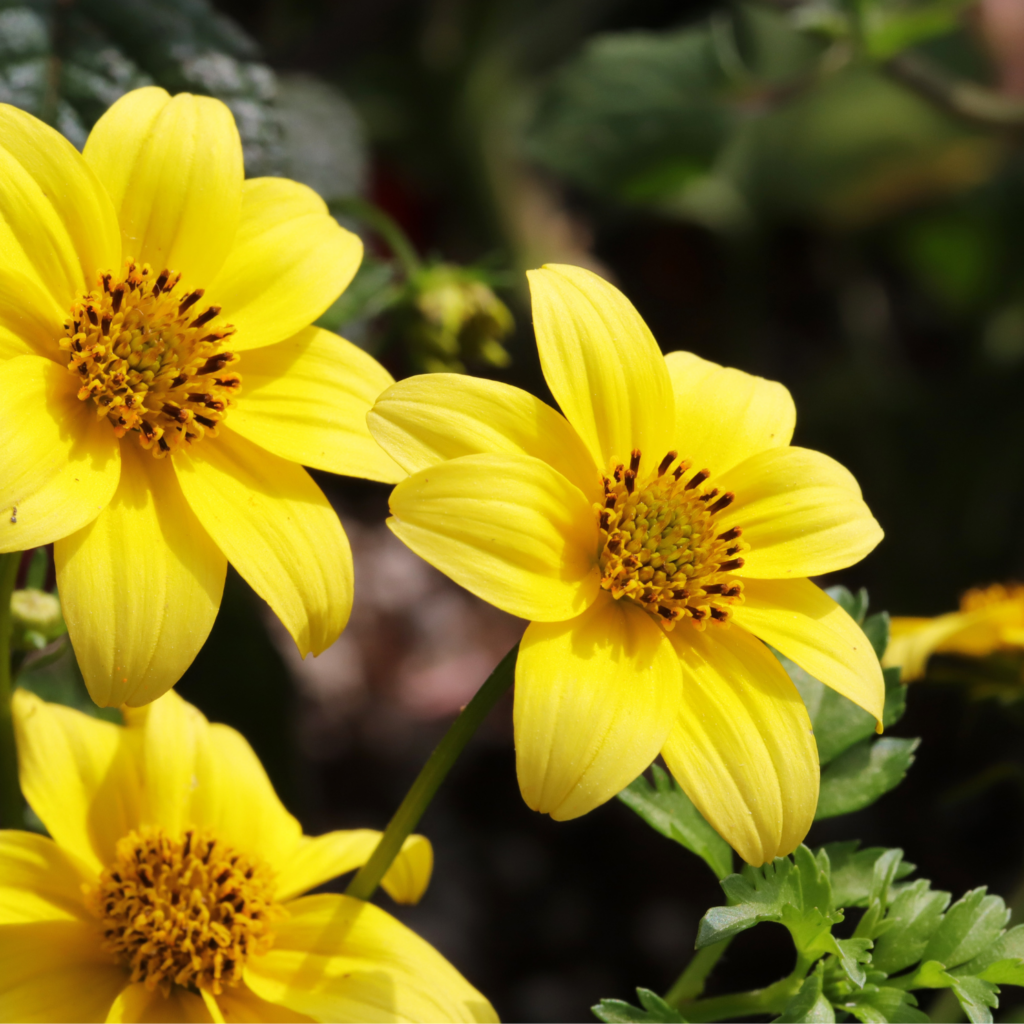
Bidens produces bright daisy-like flowers rich in nectar and pollen. Their open flower shape makes them particularly accessible to bees, butterflies and beneficial insects. They are known for flowering continuously, providing ongoing support for pollinators over the season.
Lobularia
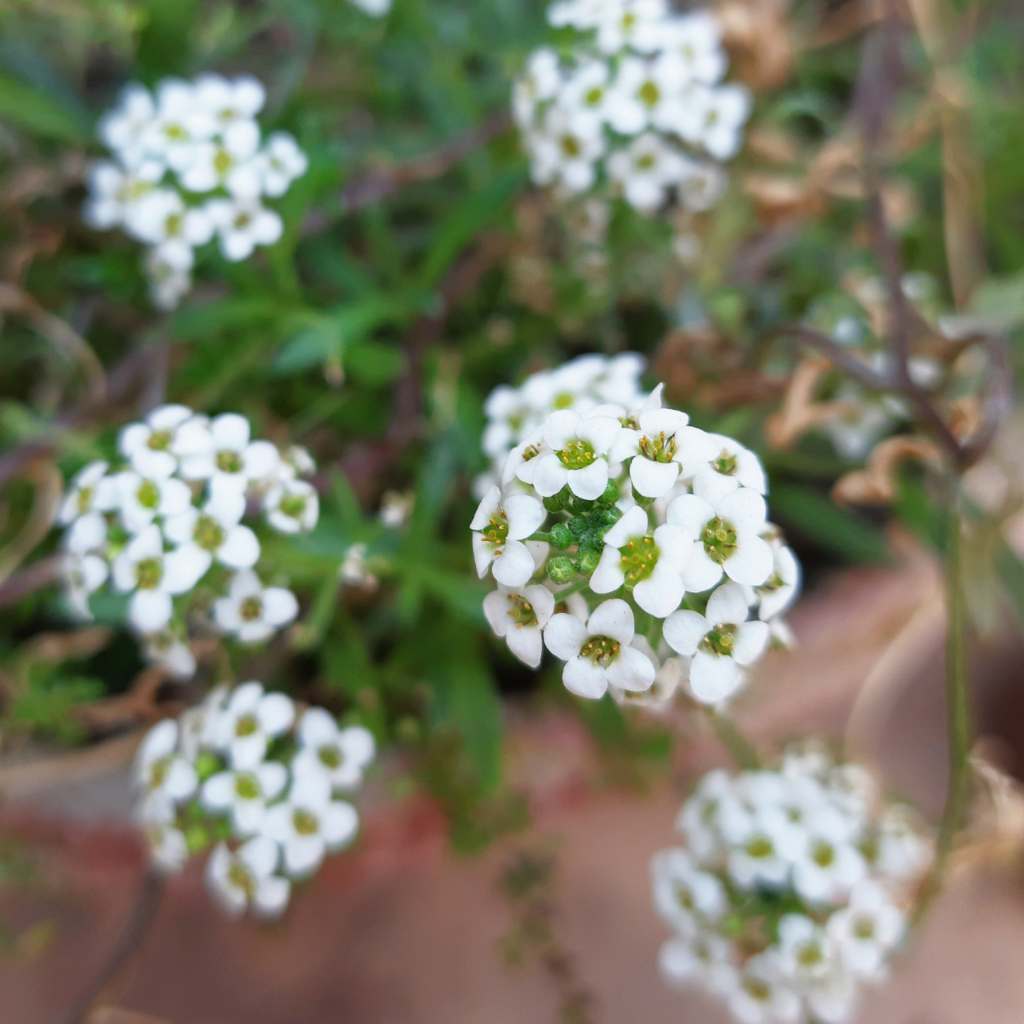
Lobularia, commonly known as Sweet Alyssum, produces clusters of tiny fragrant flowers that are highly attractive to hoverflies, bees and small pollinating insects. Its sweet scent and abundant nectar make it one of the most valuable companion plants for encouraging biodiversity.
Nemesia Vanilla
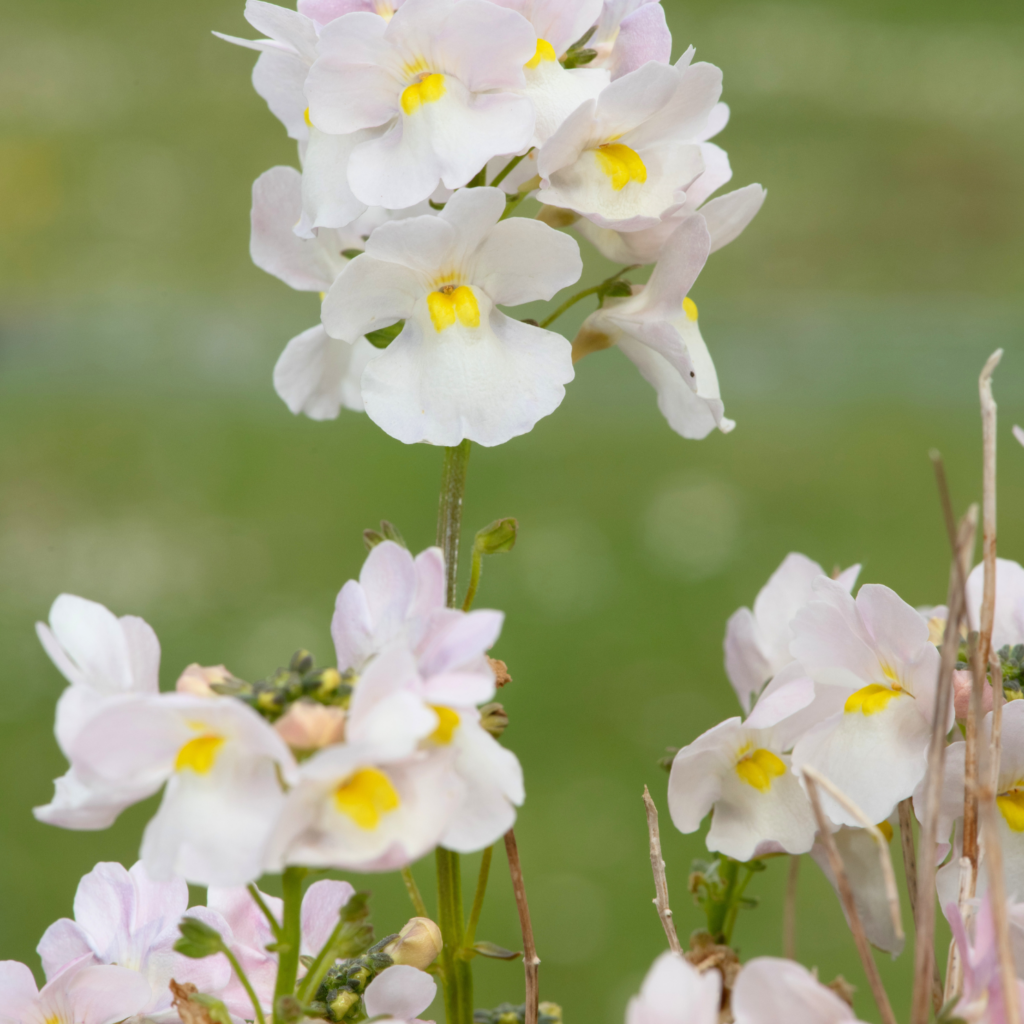
Nemesia Vanilla is loved for its delicate flowers and soft vanilla fragrance. The scented blooms help attract bees and butterflies, while its long flowering period ensures pollinators can continue to feed throughout the warmer months.
Salvia
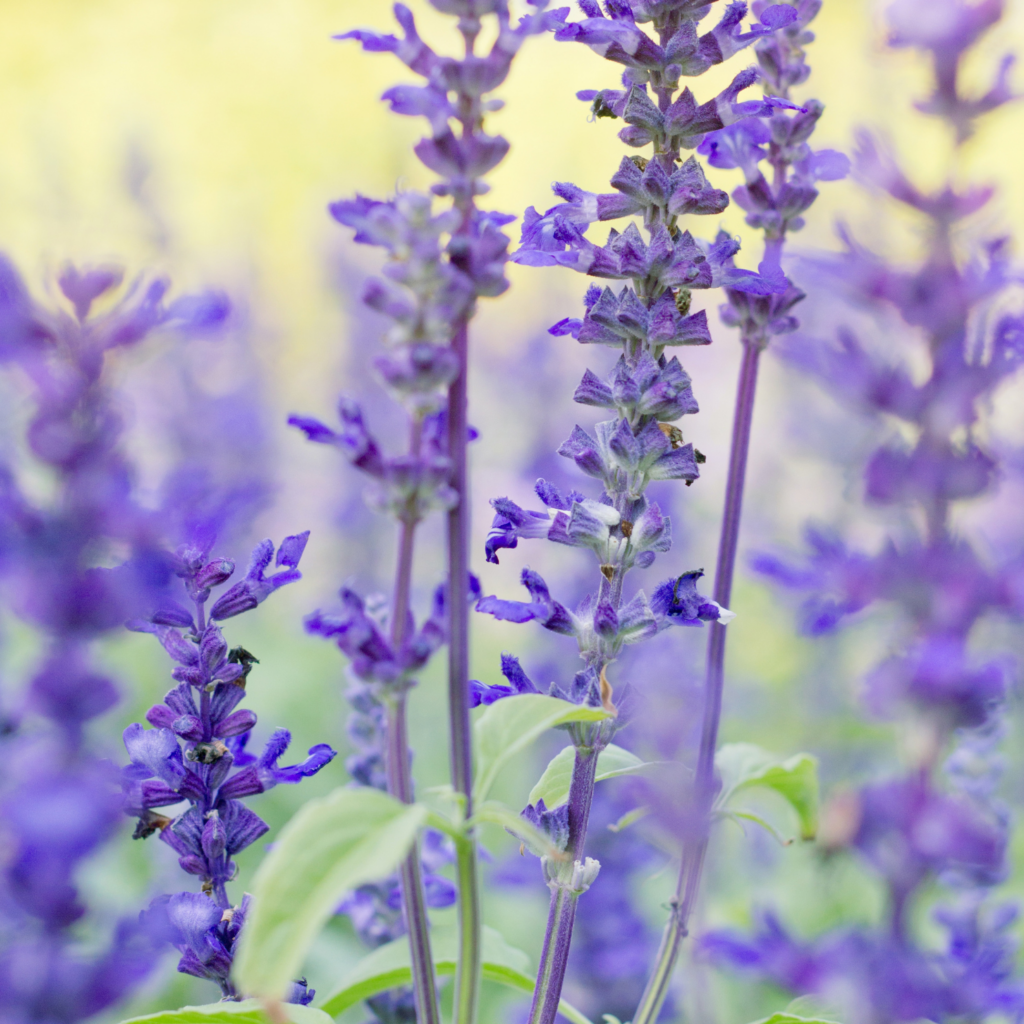
Salvias are among the best plants for pollinators. Their tubular flowers are especially attractive to bees and butterflies, offering rich nectar supplies. The upright flower spikes also add height and texture to the baskets while supporting a wide range of beneficial insects.
Diascia
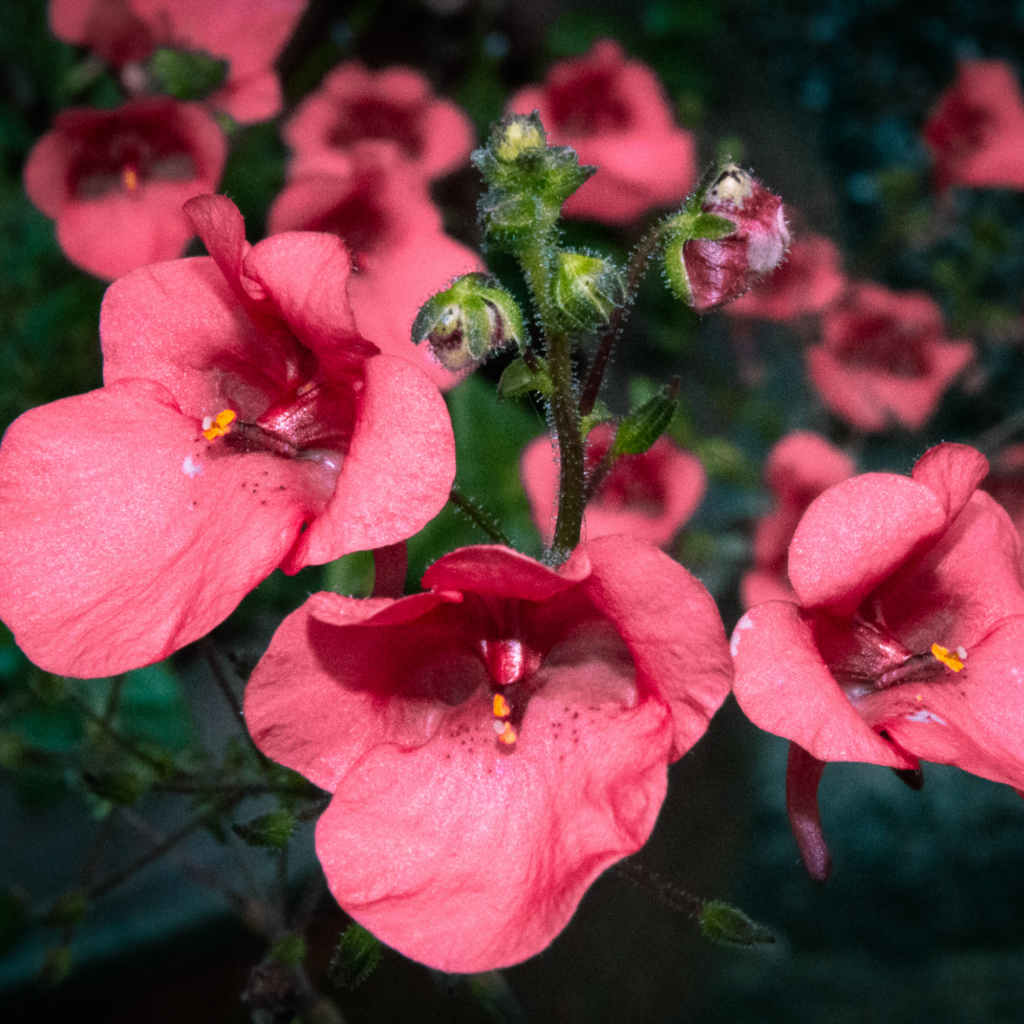
Diascia produces soft, delicate flowers that are particularly popular with bees thanks to their accessible nectar. Their pastel and bright colour variations help attract pollinators visually while adding gentle colour throughout the displays.
Lobelia
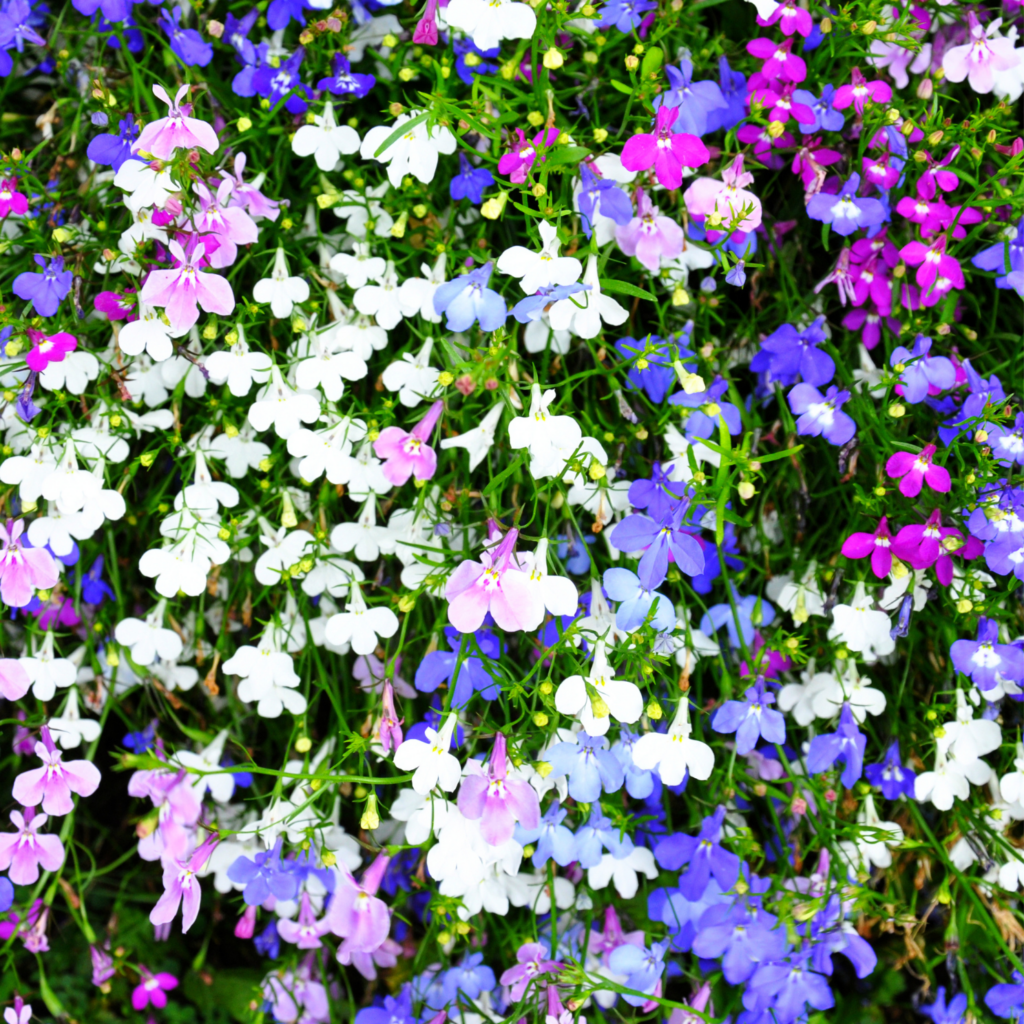
Lobelia’s vivid blue, purple and white flowers are excellent for attracting bees and butterflies. The dense flowering habit provides both nectar and shelter for smaller insects, helping to create miniature wildlife-friendly environments within the baskets.
Together, these carefully selected plants will create colourful displays that not only enhance Canterbury’s streets but also provide important feeding opportunities for pollinators throughout the season. The Pollinator Flower Basket Scheme demonstrates how urban planting can combine beauty with environmental benefit, helping Canterbury become a greener and more wildlife-friendly city.
.